

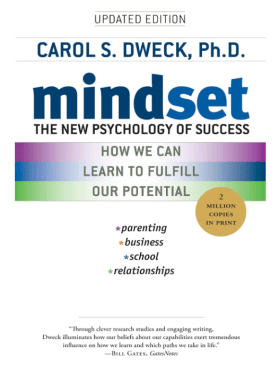
In her groundbreaking book, ‘Mindset: The New Psychology of Success’, Carol Dweck, Professor of Psychology, at Stanford University, shows that our beliefs about intelligence have a profound effect on every facet of our lives, including but not limited to our personal development, relationships, dreams and careers. In chapter two of ‘Mindset’, Dweck delves into the work of two noteworthy scholars on the subject of intelligence. The first is Robert Sternberg, Professor of Psychology in the College of Human Ecology at Cornell University. The second is Alfred Binet (1857-1911), a famous French Psychologist who contributed greatly to the development of experimental psychology and is the founder of the IQ test.

Both Sternberg and Binet propose that intelligence is malleable and therefore can be developed. Based on this premise, the empowering idea for this blog post is…“If intelligence is indeed malleable and can be developed beyond any false limiting beliefs that we hold about ourselves; what then could we truly achieve in life and furthermore, what is possible?“…or as the famous Martial Artist and Movie Star, Bruce Lee once said, “No Way as Way! No Limit as Limit!”

Before We Continue, a Few Disclaimers…
-
I am not a psychiatrist, psychologist, neuroscientist, medical professional or licensed counselor. Any information I share is based upon my research of the experts within those fields…and my interpretation of their material. Anything I suggest in terms of reframing your thinking or “calls to action” is strictly my opinion/perspective and should not be construed as professional or medical advice.
-
My wife and I are co-authoring a series of children’s books on having a victorious mindset; however, we believe that adults of any age can benefit from the material. Basically, we are creating books we wish we would have read when we were growing up. As such, our research takes us down many “proverbial rabbit holes”. As such, some of the knowledge we discover or stumble upon causes us to have enlightening “A-HA” moments and paradigm shifts that I believe are worthy of further exploration. I believe these golden nuggets of wisdom are not only worth studying; but more importantly, sharing with others through this medium of blogging because I wholeheartedly believe that the material can help empower and transform people’s lives.
-
I am NOT a Guru whatsoever, but I do consider myself to be scholarly and writing on topics such as this is fulfilling to me. Furthermore, it allows me to internalize the information I study and apply it as wisdom within my own life.
-
This blog post does contain affiliate links; however, any product (mostly books) I recommend directly correlates or resonates with the content expressed herein. Additionally, I only promote products I personally use and/or believe in.
The Growth Mindset: A Catalyst for Increasing Intelligence
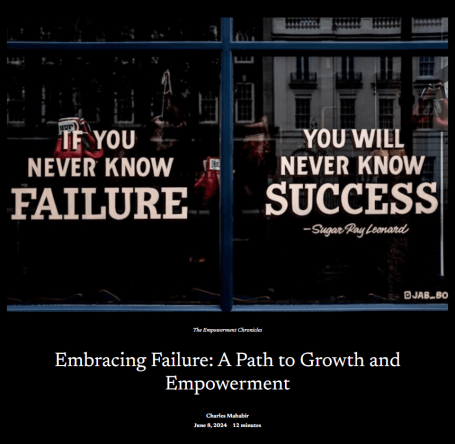
Dweck’s theory of the “Growth Mindset” proposes that individuals who believe their abilities can improve through deliberate effort, wise strategy, persistence and constructive qualified feedback will accomplish more than those with a “Fixed Mindset”, who believe their qualities are inherent and mostly unchangeable. Embracing a “Growth Mindset” is extremely empowering as it suggests that we always have the capacity to learn, improve and grow. To learn a little more about the power of the ‘”Growth Mindset”, I encourage you to also read my article titled ‘Embracing Failure: A Path to Growth and Empowerment‘:
The Influence of Robert Sternberg
Robert Sternberg concluded that the differentiating factor between expertise and non-expertise is not natural talent, but rather deliberate mental engagement such as purposely seeking out challenges; learning from mistakes; and overcoming adversity. Again, intelligence should be viewed as an attribute we can cultivate through effort and, more importantly, with the right kind of learning strategy in mind.
Furthermore, Sternberg’s focus on purposeful engagement suggests education and self-development entail much more than mentally absorbing facts – it involves taking a massively active role in what you want to learn. From my personal experience, one key component of taking an active role in your learning begins with a desire for mastery. When you desire mastery over a particular subject, topic or skill; and are willing to put a plan around it plus execute accordingly, you are engaging in being an active learner.
Alfred Binet’s Legacy
When Alfred Binet first created the IQ test, the idea of a test score capturing one’s capacity for intelligence didn’t quite capture his philosophy on the subject. At that time, the primary purpose of his test was to identify children who would benefit most from special schooling to address any gaps in their learning. Binet believed in the fluidity of intelligence and that it is not always those who were born the brightest who end up being the brightest in the end. The opposite is equally true. Those who are born into environments that work against their capacity for intelligence and growth do not necessarily end up that way later in life. This is undeniably empowering motivation for individuals from both scenarios:
- Those who come from advantageous backgrounds should not take those blessings for granted or believe that they are entitled to experience those blessings forever. Consider it a solid foundation and launch pad if you had excellent parents; grew up in a loving & stable home; attended good schools; and are surrounded by a positive network of people who genuinely care about you. To be clear, one should not at all feel guilty if they see themselves in this scenario. As a parent, I believe it is my duty to give my kids every possible advantage in life I can without harming them or others. If you come from an advantageous background, I encourage you to have immense gratitude and to show that gratefulness by not wasting those positive gifts. If anything, use this opportunity to grow massively – and pay it forward to those less advantageous than you without entitling them.
- For those of you who came from dis-advantageous backgrounds or find yourselves currently there, please know that you are not eternally shackled to that situation. I personally know what this feels like because I grew up in a broken home. I won’t go into the details in this blog post but for me, for many years, I felt that life was meaningless and hopeless until my 10th grade psychology teacher, Mr. Bird reframed how I viewed myself, my future, and what was possible. I believe without him knowing it, Mr. Bird instilled within me the seeds of a “growth mindset”. In full honesty, I’ve gone back and forth in my life between a “Fixed Mindset” and a “Growth Mindset” but after reading Dweck’s book, my intention is to fully embrace a “Growth Mindset” and apply it to all areas of my life.
The Role of Effort and Strategy
One of my key takeaways from examining the ideas of Dweck, Sternberg, and Binet is that effort and strategy are keys elements in nurturing intelligence. The thought of effort and strategy increasing one’s intelligence is both democratizing and empowering. It shows that the game of expertise is not reserved only for a select few “experts” or the “naturally gifted. I’ll explore this further in the next section which are “Calls to Action”.

Photo by Felix Mittermeier on Unsplash
Calls to Action: Develop a Growth Mindset about Intelligence
- Seek and Embrace Challenges: Start viewing challenges as learning opportunities, rather than pitfalls that could damage your ego or exploit your weaknesses.
- Learn from Constructive Feedback: As Warren Buffet once said, “Feedback is a gift!” Constructive feedback is invaluable to improving your skills and knowledge. The key here is having a humble attitude and control over your ego. One of the empowering things I like to do is give my peers permission to provide me feedback – good, bad or ugly…because accomplishing a goal is more important than pacifying my ego. Additionally, I want to thrive in all areas of my life, and outside perspectives can assist in guiding me to be more intelligent in my pursuits. I find this attitude towards constructive feedback to be liberating because I am never surprised or emotionally rocked when I receive input since I requested it in the first place. As a result of this philosophy of encouraging constructive feedback from others, I have grown significantly in my professional career, personal life, and as a Martial Artist over the last several years.
- Have a Spirit of Kaizen: Kaizen is a Japanese term meaning “change for the better” or “continuous improvement.” Philosophically, Kaizen emphasizes small, daily improvements that result in major improvements over time. This approach applies to many disciplines including but not limited to personal development, business, leadership, teamwork and athletics. Practicing Kaizen will allow one to discover inefficiencies, streamlining workflows, and reduce waste—be it time, resources, or effort.
- Embrace Failure as Part of the Learning Process: In general, nobody likes to fail but everyone wants to win. The funny thing is that in order to win and to win big, you must accept that failure is an inevitable part of the learning process. Now, this does not mean that we actively seek failure by being unprepared or doing things half-heartedly. If failure happens, it should be the result of pursuing something extremely challenging and despite being thoroughly prepared and putting forth 100% effort, you fall short of the prize. Failing in this way provides valuable data which you can take back to the drawing board and begin working towards that goal again. This is called resilience which I discuss more in the point that follows.
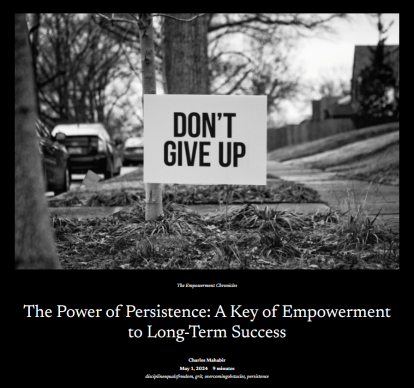
- Become more resilient through a persistent attitude. As discussed in the point above, failure is part of the learning process – but “never giving up” or “resilience” is part of that process as well.
According to the Merriam-Webster Dictionary, “Resilience is the capacity to recover quickly from difficulties; toughness. It involves the ability to withstand adversity and bounce back from difficult life events.”
To learn more about the power of resilience, read my Blog Post at this Link: [The Power of Persistence: A Key of Empowerment to Long-Term Success] or by clicking on the pic below:
- Celebrate noteworthy effort and small wins: This is pretty self-explanatory, but the idea here is that celebrating noteworthy effort, and small wins rewires you to embrace the power of the process, be more present mentally/emotionally/spiritually, and mitigates any anxiety over the potential “long road ahead” in accomplishing the end goal.
- Cultivate Curiosity: Maintain a curious mindset and seek out new learning experiences.
- Cultivate a “Growth Mindset” by getting yourself a copy of Carol Dweck’s Book ‘Mindset‘ by clicking on my affiliate link [MINDSET BOOK] or of the pic of the book below:
- Surround yourself with “Growth Minded” individuals. As the late motivational speaker and author Jim Rohn once said, “You are the average of the five you spend the most time with.” It is timeless wisdom that the people closest to you significantly influence your behavior, attitudes, and success.
- Study Material that will help you Grow. Here is a link to some of the best secular books on growth I have ever read. They have been game changers for me. Check out my favorite reads by clicking on this link: [CHARLES’ FAVORITE BOOKS].
The Benefits of a Growth Mindset
The impact of choosing a growth mindset can be transformational, because it suggests that what holds us back from fulfilling all of our potential is actually the desire to be always perceived as perfect and successful. Such an outlook robs us of our power because in maintaining a facade of perfection, we waste all our energy in playing small versus playing a bigger and more challenging game in life. Adopting a growth mindset means taking control of our learning and development to build resilience, adaptability and a love of lifelong learning.
I. Real-World Applications
- Education: In educational settings, a growth mindset can help young people take on challenges, look at learning as a journey, and persevere in the face of adversity. Teachers can nurture a growth mindset in their students by offering responses that are helpful rather than hurtful in solving problems, praising effort over innate ability, and creating an environment in which students’ mistakes are viewed as lessons to be learned versus something to be ridiculed.
- Workplace: At work, a “Growth Mindset” could encourage greater innovation and productivity by helping employees believe that they can learn the necessary skills to grow and advance in their careers. Furthermore, fostering a “Growth Mindset” would keep associates open to new challenges; seek professional growth through mentorship and/or continuous learning; and empower them to make profound contributions to their organizations.
- Personal Development: On a personal level, having a “Growth Mindset” can lead to more rewarding and fulfilling life as we constantly seek ways to improve and grow – enabling us to overcome personal barriers, succeed in achieving our aspirations, and develop feelings of self-efficacy and empowerment.
II. Internal Applications
- Emotional Intelligence: Emotional intelligence is the ability to: perceive emotions, assign meaning to them, understand them and, if necessary, manage them. A “Growth Mindset” can make you more sensitive to others and make you a better listener and friend Growing emotionally intelligent requires exploration. That’s why a “Growth Mindset” is supportive to all the skills needed for emotional intelligence: self-awareness, empathy, communication and social relationships.
- Personal Grit: Another vital component of a “Growth Mindset” is grit, which is seen as the ability to persevere through challenges and foster optimism when setbacks occur. This is also known as resilience or persistence which I mention in the “CALLS TO ACTION” section of this blog. Just like how we can grow our intelligence, skillsets and capacity, we can also grow our grit/resilience/persistence until it becomes part of who we are.
- Positive Attitude: A “Growth Mindset” personality includes a positive orientation towards learning and development. This is typically expressed through an optimistic outlook regarding learning and growth; a tolerance for uncertainty and change; a belief that you are in control of what happens to you; and treating each experience as a resource for learning and development.

Photo by Pablo Heimplatz on Unsplash
Conclusion: Embracing the Power of Growth
Research on the “growth mindset” conducted by Carol Dweck, in conjunction with the studies on intelligence by Robert Sternberg and Alfred Binet, is an empowering paradigm for us all. Recognizing that intelligence and skillsets can be greatly enhanced through deliberate practice and engagement, means that we have the power to maximize our potential and excel in all our endeavors. This idea should encourage us to confront challenges, risk failure, take personal ownership when we fall short, share credit in successful outcomes, and commit to continuously improve in everything we attempt. The beauty of a “growth mindset” is that it can create a ripple effect that can positively influence our relationships, families, teams and communities.
References
- Dweck, C. S. (2006). Mindset: The New Psychology of Success. Random House.
- https://profiles.stanford.edu/carol-dweck?tab=bio
- https://www.human.cornell.edu/people/rjs487
- britannica.com/biography/Alfred-Binet
- Merriam-Webster Dictionary, available at [merriam-webster.com](https://www.merriam-webster.com/dictionary/resilience).


 Charles Gregory, Author
Leave a comment